Your Liver Doesn't Read the Label: The Case for the Two-Hour Rule
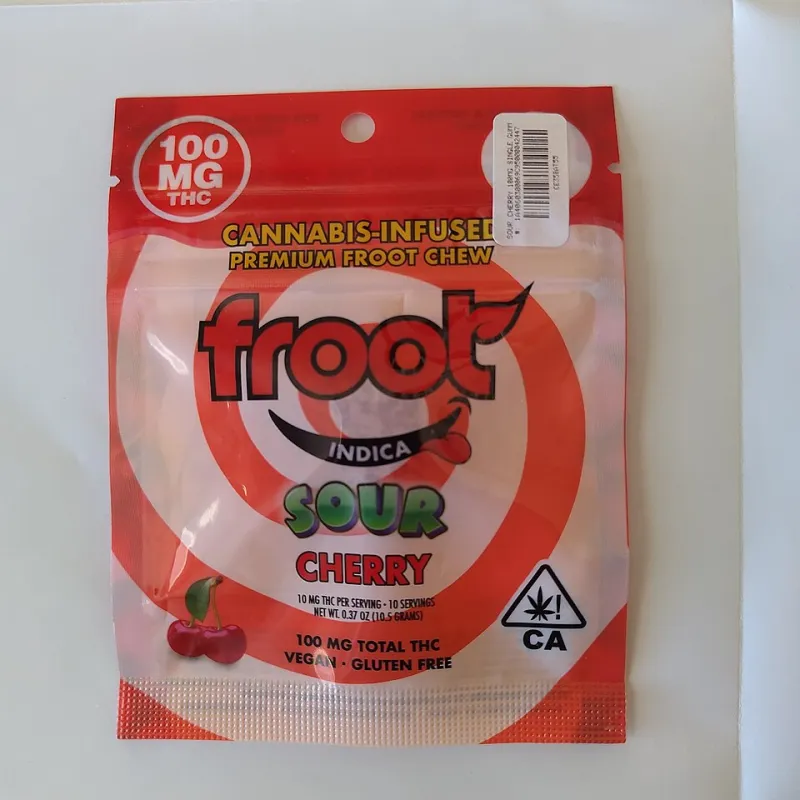
Photo: UnifiedFunctionality, CC BY-SA 4.0, via Wikimedia Commons
Every edible horror story has the same plot. Somebody eats a gummy. Forty-five minutes pass. Nothing. They conclude the product is weak, eat a second one, and then spend the next five hours holding onto the couch cushions like a ship in a storm.
The industry has spent years marketing around this exact moment — fast-acting, rapid onset, effects in fifteen minutes — and the marketing has done real damage. Because the honest answer is that edible onset is a range, not a number, and the range is set by your body, not the packaging. That's less fun on a label, but it's the truth, and it's the difference between a nice evening and a memorable one for the wrong reasons.
What's Happening During the Quiet Part
When you eat cannabis, THC doesn't go straight to your bloodstream the way smoke does. It goes to your digestive system, gets processed by your liver, and converts into 11-hydroxy-THC — a metabolite that's noticeably more potent and longer-lasting than the delta-9-THC you get from smoking. That conversion is the whole reason edibles hit differently. It's also the reason they're slow, because digestion is not a fast process and your liver is not in a hurry.
Typical onset for a standard edible lands somewhere between 30 and 120 minutes, with most people feeling it in the 45-to-90 range. Peak effects often arrive two to three hours in, and the whole arc can run four to six hours or longer, especially at higher doses or with a fatty meal in the mix. None of that is a malfunction. That's just the route.
Why Fast-Acting Is a Fuzzy Word
There are genuinely faster formats. Nano-emulsified THC, the kind used in many beverage and tincture products, is engineered to be more water-soluble and can start registering in 15 to 30 minutes. Those products are real and they work.
But fast-acting has also become a vibe word that gets slapped on ordinary gummies. So when you're comparing listings online, look past the badge and read the actual product details: milligrams per serving, total milligrams per package, the delivery format, and whether the language is describing the formulation or just the marketing. A beverage and a chocolate bar are not the same experience, and a listing that treats them as interchangeable isn't helping you.
The single most common labeling trap: total package milligrams versus per-serving milligrams. A 100mg package of ten pieces is 10mg each. A 100mg package of two pieces is 50mg each. That difference has ruined more evenings than any strain ever has. Read the serving count every time.
The Variables That Actually Move Your Timeline
Onset isn't random, it's personal. A few things genuinely change the clock:
Food in your stomach. An empty stomach can mean faster onset and a sharper peak. A heavy, fatty meal can delay things and sometimes intensify them, since cannabinoids are fat-soluble. Neither is better. They're just different, and you should know which one you're working with.
The format. Beverages and nano-emulsified products tend to be quickest. Gummies land in the middle. Baked goods and chocolates can take the longest, and high-fat confections in particular can stretch the timeline out.
Your own chemistry. Liver enzyme activity, body weight, tolerance, and how often you use cannabis all shift the curve. Two people can eat the same 10mg and have completely different evenings. That's why the only useful comparison is you versus you.
Dose size. A bigger dose often feels like it arrives sooner, mostly because the effects are more noticeable once they start. That's a perception thing, not a speed thing.
Whether there's CBD in the mix. Some people report that balanced ratios feel smoother and less edgy. Your mileage will vary, but it's worth tracking.
The Rule Itself
Here it is, and it's not complicated: pick your dose, note the time, and do not take more for two full hours. Set a phone alarm if that's what it takes. Two hours is enough for essentially every standard edible to make itself known, and it's long enough that you'll be deciding with actual information instead of impatience.
The corollary matters just as much. If you're new to edibles or it's been a while, start at 5mg or even 2.5mg and treat the first session as a calibration, not a party. You can always take more tomorrow. You can't take less tonight.
Shopping the Edible Menu Without Guessing
When you're comparing edibles on a delivery menu, a few details cut through the noise. Check the milligram breakdown per piece, not just per package. Check whether the product is distillate-based or full-spectrum, since the experiences differ. Look for a stated serving size and a total piece count. And if two products look identical but one is a beverage and one is a brownie, assume they will not behave the same way.
A running note in your phone — dose, product, time eaten, time felt, how long it lasted — is the single most useful thing an edible buyer can keep. After four or five entries you'll have something no label can give you: your own timeline. Buy accordingly, and stop letting a gummy decide your schedule.