Big Number Energy: How Potency Theater Is Ruining Your Weed Shopping

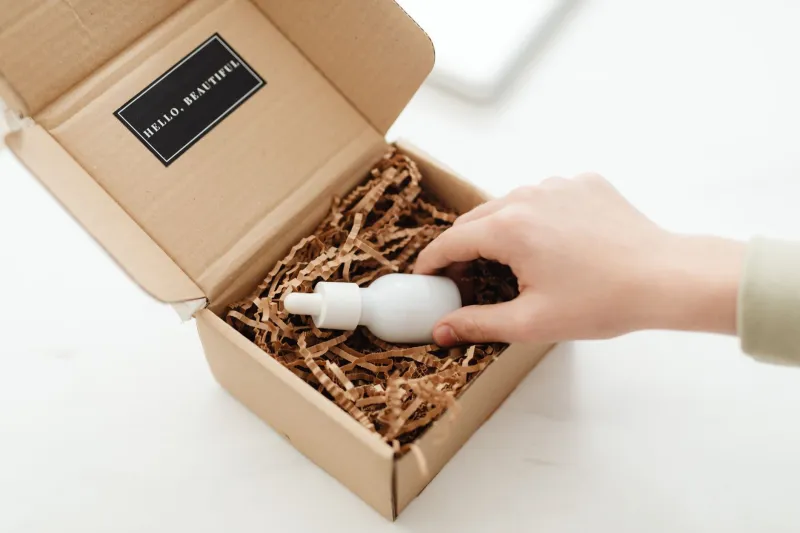
Photo by Photo by Elsa Olofsson on Unsplash on Unsplash
Open any online cannabis menu and the loudest thing on the page is rarely the flower. It’s the number. 29%. 31%. 33%. Maybe a little flame icon and the word ‘premium’ doing heavy lifting next to it. In a legal market with dozens of brands competing for the same scroll, THC percentage has become the default shorthand for quality — the cannabis equivalent of judging a restaurant by its Yelp star rating and ignoring the actual food.
That’s potency theater. And if you shop by the biggest number alone, you’re not buying the best flower. You’re buying the best marketing.
THC Is a Number, Not a Quality Score
THC percentage tells you how much THC was measured in a sample of that batch. It does not tell you how fresh the flower is, how well it was cured, how it smells, how it tastes, or whether the high will feel good to you. It is one data point wearing a crown.
Lab testing also involves sampling. A lab tests a small amount from a batch, not every bud in every jar. Two labs can produce different numbers for the same flower. A high result can reflect a great grow — or a dry sample, a favorable test, or a batch selected to look impressive on a menu. None of that is automatically shady, but it should tell you something important: the percentage is not a moral judgment or a guarantee.
The Dry-Flower Problem Hiding Behind a Big Badge
Here’s the uncomfortable truth about a lot of high-THC flower: it can be old, over-dried, or handled like cargo instead of produce. Terpenes — the compounds responsible for smell and a big part of flavor — are volatile. They fade with heat, light, oxygen, and time. THC is more stable. So you can absolutely end up with a jar that tests high and still smells like a hay bale that spent a week in a gym bag.
That’s the trap. A 32% flower with no nose and a crumbly cure is not a premium buy. It’s a number with a plant attached. Meanwhile, a 22% flower that’s sticky, fragrant, and properly cured can run circles around it in the actual experience department.
Terpenes Are the Flavor — and Part of the Experience
If a product listing tells you the THC percentage but not the harvest date, package date, or terpene profile, you’re shopping blind. Terpenes like myrcene, limonene, caryophyllene, and pinene are not just fancy words for a product description. They shape aroma and flavor, and they’re part of why two strains with similar THC numbers can feel completely different.
You don’t need a chemistry degree to use this. Look for listings that mention specific sensory details: citrus peel, diesel, pine, earth, berries, gas, funk. Look for terpene percentages or at least a dominant terpene. Look for a brand that tells you when it was harvested and packaged. Honest descriptions are boring in the best way: they tell you what the flower actually is instead of yelling ‘fire’ at you.
Freshness Beats Flexing
In a delivery-era market, freshness is the advantage online shoppers can actually verify — if retailers give them the information. Harvest date matters. Package date matters. How the flower was stored matters. A jar that has been sitting in a back room since last winter is not the same product as one packaged a few weeks ago, even if the THC label is identical.
This is where reviews become useful. Not the ones that say ‘10/10 amazing.’ The ones that mention dryness, smell, cure, trim, or whether the flower arrived squished. A reviewer who says ‘great high but arrived bone dry’ is doing more useful work than a hundred five-star ratings with no details.
Grow Practices and Honest Descriptions
Small-batch, living soil, hand-trimmed, slow-cured — these phrases get used as marketing, but they also point toward the stuff that tends to matter: care, consistency, and not rushing the plant through the door. They’re not automatic guarantees. A fancy grow method can still produce a mediocre jar. But when a brand is specific about how it grows and cures, that’s a better signal than a giant THC sticker.
Honest product descriptions are the same deal. If a listing says ‘earthy, slightly sweet, relaxing evening flower’ instead of ‘MAXIMUM POTENCY,’ that’s a retailer treating you like a person with preferences rather than a toddler distracted by a shiny percentage.
The Checklist Before You Tap Buy
Before you add something to the cart, run through this:
- Is there a harvest or package date? If not, ask or skip.
- Does the listing mention terpenes or specific aroma and flavor notes?
- Do reviews mention dryness, cure, smell, or trim — not just potency?
- Is the price per gram reasonable for the actual product, not just the number?
- Is the flower described like produce or like a contest entry?
- Does the retailer have a clear policy for dry, mislabeled, or damaged orders?
- Are you buying a strain because it sounds good to you, or because it has the biggest number on the page?
The Bottom Line
Potency matters. It’s not irrelevant. But it’s the opening line of a conversation, not the whole review. The best buy on an online cannabis menu is usually the one with a clear harvest date, a real terpene profile, specific sensory description, and reviews that talk about the actual flower. A 22% jar with a loud nose and a proper cure will beat a 32% jar that smells like cardboard and crumbles into dust.
So next time you’re scrolling, do yourself a favor: look past the biggest number on the page. Buy the flower, not the flex.