Terpenes Decoded: How to Shop Cannabis Like a True Connoisseur
There's a moment every serious wine drinker remembers — the first time someone handed them a glass and said, smell it before you sip it. Suddenly, what used to be "red wine" became something layered: dark cherry, a hint of tobacco, maybe a little leather. Cannabis has its own version of that awakening, and it starts with terpenes.
If you've been ordering weed based purely on THC percentage or whether it's labeled indica or sativa, you're leaving a lot of experience on the table. The consumers who are getting the most out of their cannabis — medically, recreationally, or both — are the ones who've learned to read terpene profiles. And once you get the hang of it, shopping for cannabis online becomes a completely different (and way more satisfying) game.
So What Exactly Are Terpenes?
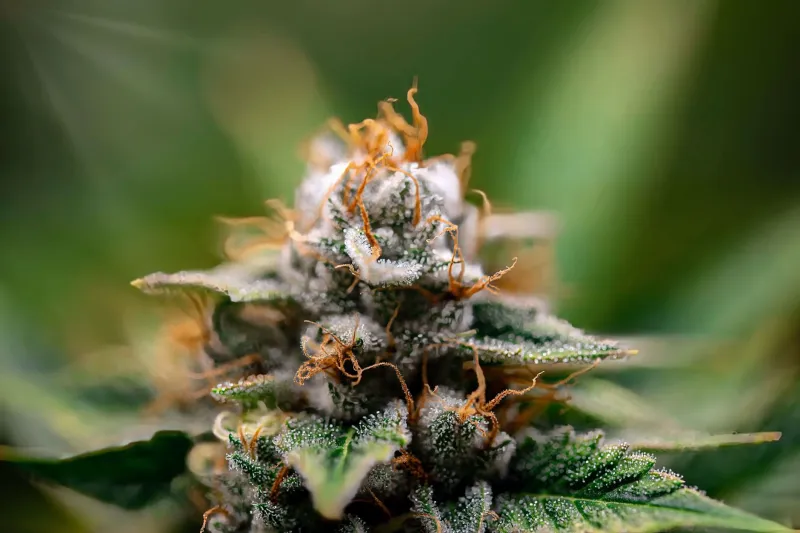
Terpenes are naturally occurring aromatic compounds found in cannabis — and honestly, in most plants. They're the reason lavender smells like lavender, why pine forests smell like pine forests, and why some strains of weed smell like a bowl of citrus fruit while others smell like a locker room (in the best possible way, depending on who you ask).
In cannabis, terpenes are produced in the same resin glands that make cannabinoids like THC and CBD. They don't just affect aroma and flavor — research increasingly suggests they interact with cannabinoids to shape the overall effect profile of a strain. This interaction is often called the entourage effect, and it's a big reason why two products with identical THC levels can feel completely different.
Put simply: terpenes are the personality of a cannabis strain. THC is the volume knob. Terpenes are the EQ.
The Heavy Hitters: Terpenes You'll Actually See on Lab Reports
Most reputable cannabis products sold through online marketplaces will include a Certificate of Analysis (COA) — a lab report that breaks down cannabinoid and terpene content. Here are the terpenes you'll encounter most often and what they bring to the table:
Myrcene — The most common terpene in commercial cannabis. Earthy, musky, a little fruity. Myrcene is associated with sedating, body-heavy effects. High-myrcene strains are your classic "couch-lock" varieties. If you're looking for something to wind down with at the end of the day, look for myrcene near the top of the terpene list.
Limonene — Bright, citrusy, unmistakable. Limonene is linked to elevated mood, stress relief, and a more uplifting experience. It's a go-to terpene for daytime users and anyone dealing with anxiety or low energy. Strains heavy in limonene tend to feel almost caffeinated in their cheerfulness.
Caryophyllene — Spicy, peppery, almost like cloves. What makes caryophyllene unique is that it's the only terpene known to interact directly with the body's endocannabinoid system — specifically CB2 receptors — which means it may have anti-inflammatory properties independent of THC or CBD. It's a solid choice for users dealing with physical discomfort.
Linalool — You know this one from lavender. Floral, soft, calming. Linalool is associated with anxiety reduction and sleep support. If you're a CBD user who prioritizes relaxation, strains with significant linalool content are worth seeking out.
Pinene — Exactly what it sounds like: fresh pine. Pinene is interesting because it may actually counteract some of the short-term memory effects associated with THC. It's also linked to alertness and mental clarity, making it appealing for users who want to stay functional.
Terpinolene — Floral, herbal, a little smoky. Less common than the others but worth knowing. Terpinolene tends to appear in strains described as uplifting and creative-feeling, popular in the craft cannabis community.
How to Actually Read a Lab Report
When you're browsing products online, click through to the COA when it's available. Terpene content is usually listed as a percentage of total weight. Here's a practical framework:
- Look at the top two or three terpenes. The dominant terpenes have the most influence on the experience. Don't get lost trying to analyze every trace compound.
- Cross-reference with your desired outcome. Want to sleep? Prioritize myrcene and linalool. Want to be social and energized? Limonene and terpinolene. Need something functional for pain without being sedated? Caryophyllene and pinene.
- Total terpene content matters. A product with a robust total terpene percentage (generally above 1-2%) will typically be more expressive in flavor and effect than something with trace amounts.
- Don't ignore THC/CBD ratios. Terpenes work with cannabinoids, not instead of them. A high-limonene strain with very high THC might still feel overwhelming for a low-tolerance user. Balance matters.
Moving Beyond the Indica/Sativa Binary
Here's something the cannabis industry is slowly coming to terms with: the indica vs. sativa distinction is, scientifically speaking, pretty murky. Most commercially available cannabis is hybridized to the point where those labels are more marketing than botany. What actually predicts your experience more reliably? You guessed it — terpenes.
A "sativa" strain dominated by myrcene might feel more sedating than an "indica" loaded with limonene. When you shop based on terpene profiles rather than these broad categories, you're making a more informed, more personalized choice. It's the difference between ordering "a red wine" and knowing you want a Syrah from the Central Coast.
Putting It Into Practice When You Order Online
One of the genuine advantages of shopping for cannabis through an online platform is access to information. Physical dispensaries are often fast-paced environments where budtenders are juggling a line out the door — not ideal for deep dives into lab reports. When you order online, you can take your time.
Before you add something to your cart, ask yourself:
- What am I trying to accomplish with this session?
- Does the terpene profile align with that goal?
- Is there a COA available, and does it support what the product description claims?
Treat it the way a craft beer enthusiast approaches a new IPA — curious, deliberate, open to discovery. The more you pay attention to terpenes and match them to your experiences, the faster you'll develop your own palate.
The Payoff Is Real
Getting into terpenes isn't about becoming a cannabis snob. It's about getting more out of every dollar you spend and every session you have. When you understand why a particular product works for you — not just that it does — you can replicate that experience, share it with others, and make smarter choices as your needs evolve.
The cannabis marketplace is more sophisticated than it's ever been. The products are better, the lab testing is more transparent, and the information is right there waiting for you. All that's left is knowing how to read it.
Start with your next order. Pull up the terpene profile. Look for the top three compounds. Match them to your mood. It sounds simple because, honestly, it kind of is — once you know what you're looking at.